Entity SEO in Plain English: How Google and AI Tools Decide Who Your Business Is
What an entity is, why consistent details and real profiles help search engines and AI tools recognise your business, and a practical checklist you can work through this month.
An entity is a clearly identifiable thing, such as your business, rather than just a string of words. Search engines and AI tools gain confidence about who you are when your name and details match everywhere, your site says who runs it, your profiles are real and others mention you. You cannot force recognition, but you can make it easy.
Entity SEO is about helping search engines and AI tools recognise your business as a specific, real thing, not just a collection of words on a page. You cannot control how they decide, but you can make the answer easy: the same name and details everywhere, a site that says who is behind it, real profiles and genuine mentions elsewhere.
What an entity actually is
A keyword is the words someone types. An entity is the thing those words refer to. "Hornby electrician" is a phrase. A particular electrical business in Hornby, with a name, an address, a licensed owner, a phone number and a history of jobs, is an entity.
Search engines have long tried to connect the words people use to real people, places and organisations. I will not pretend to know how any internal system weighs anything. What is safe to say is the general principle: the clearer and more consistent the information about you, the more confidently anyone, human or machine, can answer "who is this business?"
That matters more now that AI tools summarise and recommend businesses. If the information about you is patchy or contradictory, you are harder to describe accurately. Tidying that up is a large part of AI search optimisation.
How confidence gets built
Think of it as corroboration. One mention of your business proves little. Several independent sources saying the same things about you builds a picture. In practice that comes from a handful of places.
Consistent name and details
Your business name, address, phone number, opening hours and service area should read the same on your website, Business Profile, social profiles and listings. "Smith & Sons Plumbing Ltd", "Smiths Plumbing" and "Smith Plumbers Christchurch" scattered across the web look like three businesses to a machine, and sometimes to customers too. Pick one version and use it. Our guide to schema markup covers the structured data side. If you are curious about files made for AI tools, this explains what an llms.txt file is.
An About page with named people
Anonymous businesses are harder to trust. An About page that names the owner, explains their background and shows their qualifications gives a real person behind the brand. It also supports the signals described in our post on E-E-A-T for Christchurch businesses.
Structured data and real profile links
Structured data can state your details in a form machines read directly. Markup types such as Organization, LocalBusiness and Person are described at schema.org. A property called sameAs lets you point to your genuine profiles elsewhere, such as your Business Profile, LinkedIn page, trade body listing or Facebook page. Only list profiles that are really yours and match your site. The markup must reflect what is visible on the page.
A verified Business Profile
A claimed and verified Google Business Profile with the right primary category, accurate details and genuine reviews is one of the clearest local identity signals you can control.
Mentions on other sites
Suppliers, trade bodies, the chamber of commerce, local news and community sites talking about you add corroboration. We cover that in brand mentions and citations.
The name-collision problem
Say a Cashmere builder trades as "Hillview Builders". Elsewhere in New Zealand there is another firm called Hillview Building. A search or AI answer can blur the two: wrong phone number, wrong reviews, wrong region. You cannot stop that entirely, but you can reduce it. Use the full trading name and suburb together on key pages. Put your address and service area clearly in the footer and contact page. Use the same logo and description on every profile. Make sure your registered company name appears on your site. The aim is that anyone comparing sources finds the Cashmere business unmistakably distinct.
A checklist to work through
- Write down the exact business name, address, phone and service area you want used everywhere.
- Search your name and note every place it appears. Fix or remove outdated entries.
- Check your Business Profile matches that master version.
- Make sure your site footer, contact page and About page match too.
- Name the owner or key people on the About page.
- Add accurate LocalBusiness or Organization markup, plus sameAs links to real profiles.
- Re-check in a few months, then run your own AI mention check to see how you are described.
How to tell it is working
The signs are modest and slow. Your Business Profile and website stop contradicting each other. When you search your own business name, the results show your own profiles and pages first, with correct details. The AI answers you sample, as part of the wider approach in our GEO guide, describe you accurately when asked directly. None of these prove a ranking gain, but they tell you the groundwork is sound.
What this will not do
It will not guarantee a knowledge panel, a citation or a ranking. Google decides what to show, and nobody outside the AI companies knows exactly how their tools choose what to say. What entity work does is remove avoidable confusion, which is worth doing whether or not any particular feature shows up.
If you want a second pair of eyes on how your business is presented across the web, our GEO service includes this kind of identity tidy-up, and a free SEO audit will flag the obvious mismatches first.
Want help with this? I check how AI tools describe your business and fix what they get wrong. GEO is available as an add-on to a monthly SEO campaign.
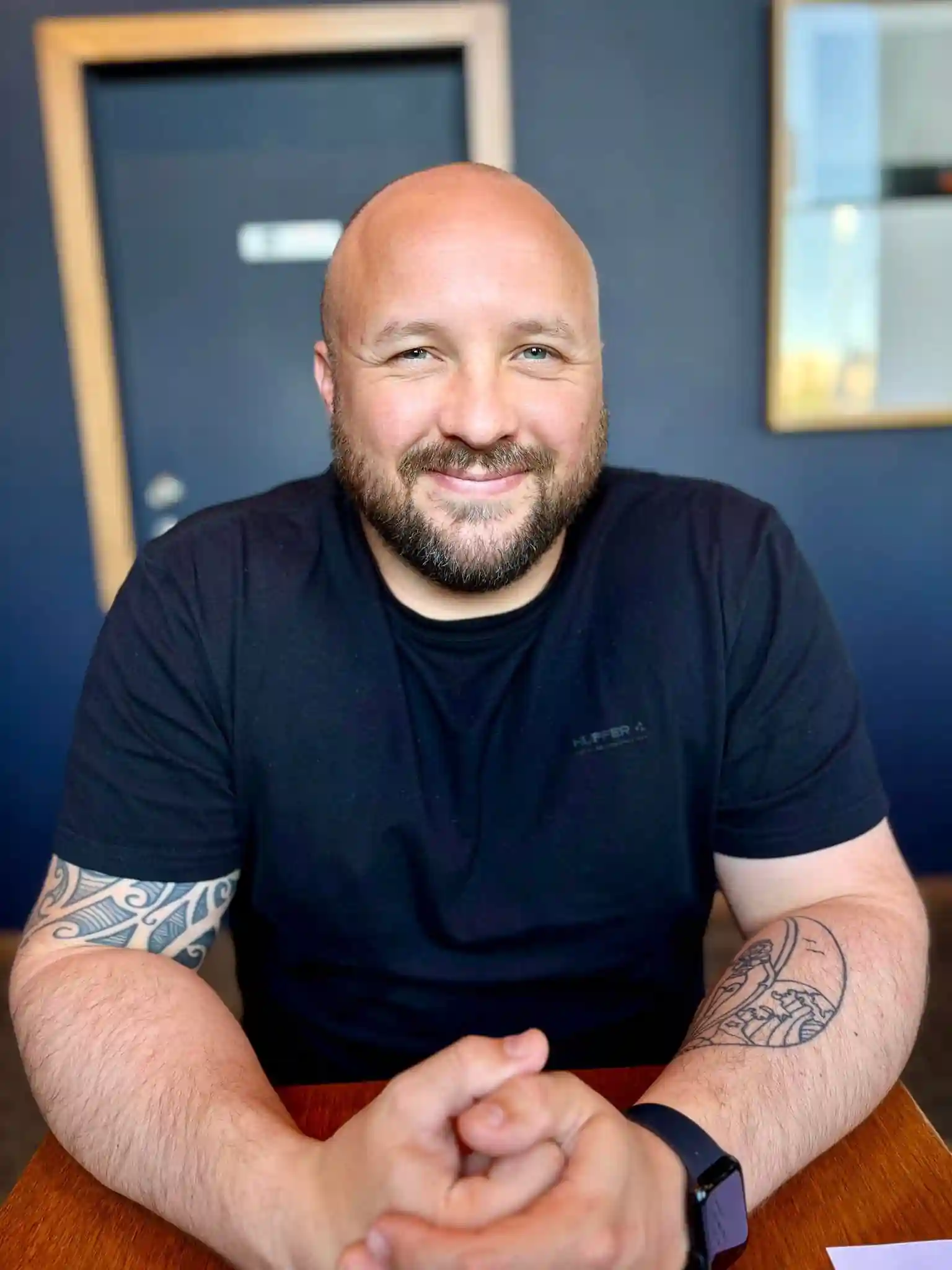
Written by Stu Clark
Former plumber with 15 years in the trade, 10 of them running his own business in Cheltenham, UK, before founding EightySix Digital. I run every SEO engagement myself. More about me.